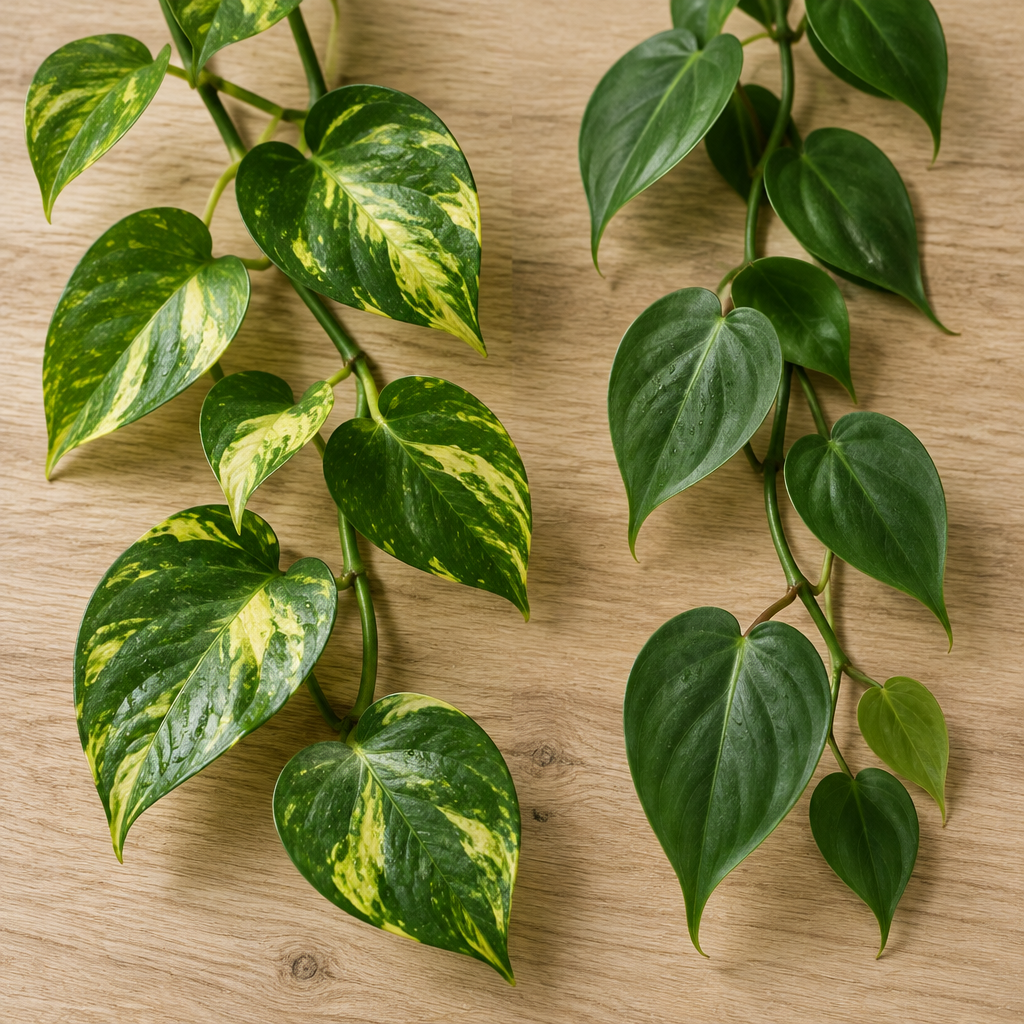
How to Identify Plants Like a Professional Botanist
The Art and Science of Plant Identification
Plant identification is both an art and a science. Professional botanists rely on a systematic approach, examining specific features that narrow down a plant's identity step by step. Whether you're using an AI tool like IdThatPlant or a traditional field guide, understanding these features will make you a better plant identifier.
1. Leaf Shape and Margin
Leaves are one of the most reliable identification features. Pay attention to:
- Overall shape: Is the leaf oval, lance-shaped, heart-shaped, or needle-like?
- Margin (edge): Are the edges smooth (entire), serrated (toothed), or lobed?
- Arrangement: Are leaves opposite (paired across from each other), alternate (staggered), or whorled (three or more at the same level)?
- Venation: Do the veins run parallel (like grasses) or form a network (like most broadleaf plants)?
2. Flower Structure
Flowers are the definitive identification feature for many species. Key aspects include:
- Number of petals: Monocots typically have petals in multiples of three, while dicots have multiples of four or five.
- Flower shape: Tubular, bell-shaped, or flat and open?
- Inflorescence: Is it a single flower, a cluster, a spike, or an umbel?
- Color and size: These can vary, but combined with other features, they're very helpful.
3. Bark and Stems
For trees and shrubs, bark is an excellent identification clue:
- Texture: Smooth, peeling, furrowed, or scaly?
- Color: Gray, brown, reddish, or white?
- Lenticels: Horizontal lines or pores on the bark surface.
- Stem cross-section: Is the stem square (typical of mint family) or round?
4. Fruit and Seeds
Fruits are highly diagnostic:
- Type: Berry, drupe, capsule, achene, or samara?
- Size and color: These change with ripeness, so note the season.
- Seed arrangement: How seeds are packed inside the fruit.
5. Growth Habit and Habitat
Where a plant grows tells you a lot:
- Habit: Tree, shrub, vine, herbaceous perennial, or annual?
- Habitat: Wetland, forest, meadow, or disturbed ground?
- Size: Mature height and spread.
Tips for Better Photos
When using AI identification, photo quality matters enormously:
- Get close enough to show leaf and flower detail.
- Focus on one feature — a clear leaf or flower is better than a blurry whole-plant shot.
- Good lighting — natural daylight gives the best results.
- Minimize background clutter — a busy background can confuse identification.
- Take multiple angles if you're unsure.
Combining Methods
The best approach combines technology with observation. Use IdThatPlant for an instant identification, then verify by checking the key features described above. This dual approach builds your botanical knowledge over time and helps you develop an expert eye.
Plant identification is a skill that grows with practice. Every plant you identify adds to your mental database, making the next one easier. Happy identifying!