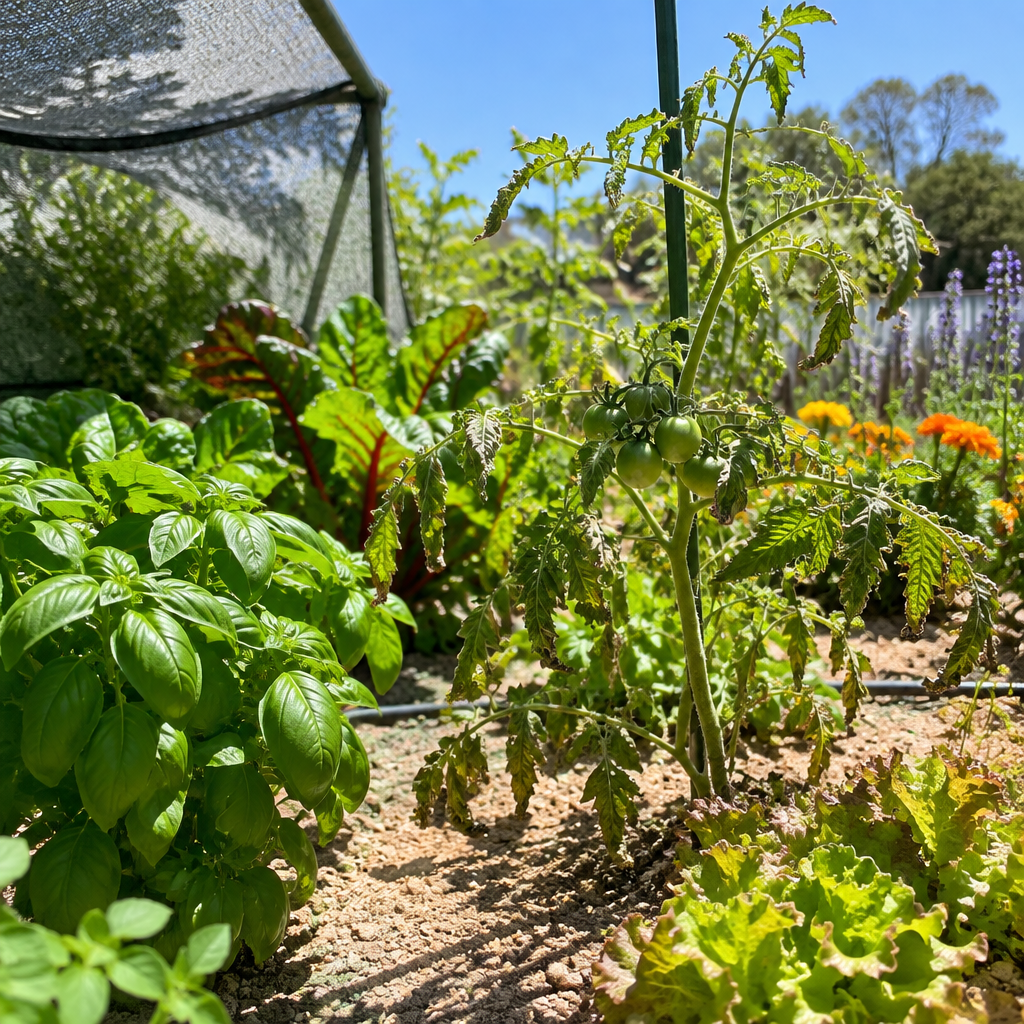
Heatwave-Proof Your Garden: Keeping Plants Alive When It Hits 40°C
Heatwave-Proof Your Garden: Keeping Plants Alive When It Hits 40°C
Every Australian gardener knows the feeling. You check the forecast, see three days of 38, 40 and 42°C lined up, and suddenly every plant in the yard looks fragile. Leaves droop by nine in the morning, pots feel like they're full of warm soup, and something that was thriving last week is scorched by Thursday.
The good news is that heat damage is mostly predictable, and most of it happens in the first day of a hot spell. A few well-timed moves before the heat arrives will save you a fortnight of nursing casualties afterwards.
What actually happens to a plant in a heatwave
Plants cool themselves by transpiration: water evaporates from tiny pores called stomata, mostly on the underside of leaves, carrying heat away with it. It's the same principle as sweating, and it works only as long as the plant can pull enough water up from the soil.
In extreme heat, demand outruns supply. The plant closes its stomata to conserve water, which stops the cooling and shuts down photosynthesis. Without water flow, leaves lose turgor pressure, the internal pressure that keeps them crisp and upright, and they wilt. That's why a plant can look half dead at 2pm and perfectly fine by 7pm: it isn't dying, it's rationing.
Permanent damage comes from two things. First, cellular dehydration: if the soil is bone dry, the plant can't recover overnight and tissue dies. Second, photoinhibition and sunburn, where intense light and UV overwhelm the leaf's defences and bleach or brown the tissue, especially on soft new growth and plants moved suddenly into full sun.
Water deeply the night before, not at midday
The single most effective thing you can do is give plants a slow, deep soak the evening before a hot day. Deep watering wets the whole root zone rather than just the top centimetre, so plants have a genuine reservoir to draw on.
Watering at midday is close to useless in a heatwave: much of it evaporates before it soaks in, and droplets on leaves can act like tiny lenses. Early morning is second best, giving foliage time to dry before evening.
For pots, deep watering means water running out the drainage holes, then a second pass ten minutes later. Potting mix that has dried out completely becomes water-repellent and channels water down the inside of the pot, leaving the root ball dry. If that's happened, stand the pot in a bucket of water for half an hour so it can rehydrate from below.
Mulch is your cheapest insurance
A 7-10cm layer of mulch over garden beds can drop soil surface temperature dramatically and cut evaporation from the soil by a large margin. Coarse bark, sugarcane, straw or lucerne all work. Keep it a few centimetres clear of stems and trunks to avoid collar rot, and top it up before summer rather than during a heatwave, when the soil is already hot.
Shade where it counts, for the hours that matter
You don't need to shade the whole garden, just the plants that burn: seedlings, recent transplants, soft-leaved vegetables like lettuce and coriander, ferns, and anything in a black pot against a hot wall.
A 30-50% shade cloth draped over a frame from about 11am to 3pm covers the dangerous window. Old sheets or a beach umbrella work fine in an emergency, as long as air still moves underneath. Never wrap plants tightly in plastic, which traps heat and cooks them faster than the sun would.
Move the pots, and group them
Anything in a container is far more vulnerable than the same plant in the ground, because roots sit in a small volume of soil that can exceed 40°C. Before a heatwave, shift pots into shade, onto grass rather than paving, and group them together so their canopies shade each other's pots. Standing pots on saucers of damp sand, or double-potting, adds insulation.
Dark pots absorb heat; if you can slip a light-coloured outer pot around them, or wrap the sun-facing side in shade cloth or hessian, the root zone stays noticeably cooler.
Don't fertilise, don't repot, don't spray
Heat is a bad time for anything that pushes a plant to work harder. Fertiliser draws water into new growth that then gets scorched, and high salts can burn already stressed roots. Repotting tears fine roots that are needed most right now. Avoid pesticide sprays too, especially oils and soaps, which burn foliage above roughly 30°C.
What to do with damaged plants afterwards
Don't rush to prune. Brown, crispy leaves look terrible but still shade the stems and tissue beneath them, and a plant that has dropped its canopy can suffer sunburn on bark it never normally exposes. Wait until the plant shows new growth in cooler weather, then trim the dead material back.
Check stems before writing anything off. Scratch the bark lightly: green underneath means the plant is alive and will reshoot. Many natives and succulents look finished after a heatwave and recover completely within weeks.
Water sparingly while plants are dormant, not generously. Roots without leaves can't use much water, and overwatering a stressed plant is how you turn heat damage into rot.
The takeaway
Heatwaves reward preparation, not panic. Deep water the night before, mulch well, shade the vulnerable hours, and leave the secateurs alone. Your garden will look battered for a week and then surprise you.
Unsure whether a scorched plant is worth saving, or what species you're even dealing with? Snap a photo with IdThatPlant for an instant identification and a care guide tuned to that plant's real heat tolerance.